1. Recognizing the Call for Help
Understanding the Signs of Mental Health Struggles
-2.png?width=300&height=175&name=MTFL%20%20Blog%20Image%20(9)-2.png)
Asking for help starts with recognizing the signs of mental health challenges. Anxiety, depression, PTSD, and more can manifest in various ways. Understanding these signs is the first step toward seeking assistance.
Destigmatizing Mental Health
Shattering the stigma around mental health is vital. We need to foster an environment where first responders feel safe to acknowledge their struggles without fear of judgment or repercussions.
2. Seeking Help: A Step Towards Healing
-2.png?width=300&height=175&name=MTFL%20%20Blog%20Image%20(10)-2.png)
Break the Silence: Start the Conversation
Encouraging open dialogues within the first responder community is crucial. When colleagues openly share their experiences, it paves the way for others to seek help without hesitation.
Accessing Professional Support
From therapists specializing in trauma to support groups, numerous resources cater to first responders. Seeking professional help is a significant stride toward recovery.
3. Embracing Treatment and Recovery
.jpeg?width=289&height=217&name=IMG_8203%20(1).jpeg)
Choosing the Right Treatment
Understanding the available treatment options is essential. Tailored programs focusing on trauma, anxiety, and stress can make a substantial difference in one's mental health journey.
Incorporating Holistic Healing Approaches
Holistic approaches such as mindfulness, yoga, and art therapy can complement traditional treatment methods, enhancing overall mental wellbeing.
4. Transitioning Back to Work
Navigating the Return
-2.png?width=300&height=175&name=MTFL%20%20Blog%20Image%20(11)-2.png)
Returning to work after seeking treatment can be challenging. Open communication with supervisors, gradual reintegration, and support from peers are crucial during this phase.
Advocating for Mental Health at the Workplace
Advocate for mental health support and resources within the workplace to ensure a supportive environment for all first responders.
5. Fostering Resilience and Community
-2.png?width=300&height=175&name=MTFL%20%20Blog%20Image%20(12)-2.png)
Supporting One Another
Community and peer support are foundational. Connecting with others who share similar experiences fosters resilience and accelerates the healing process.
Continuing the Conversation
The conversation about mental health must continue. By sharing stories, experiences, and advice, we collectively create a support network that uplifts and strengthens every first responder.
Together, We Heal and Thrive
-2.png?width=300&height=175&name=MTFL%20%20Blog%20Image%20(13)-2.png)
Every step in the journey towards mental health recovery is significant. Recognizing the need for help, seeking professional support, and advocating for a supportive work environment are the building blocks to a mentally resilient first responder community. Let us stand together, break the silence, and heal.
#FirstResponderMentalHealth #HealingJourney #MindTheFrontline






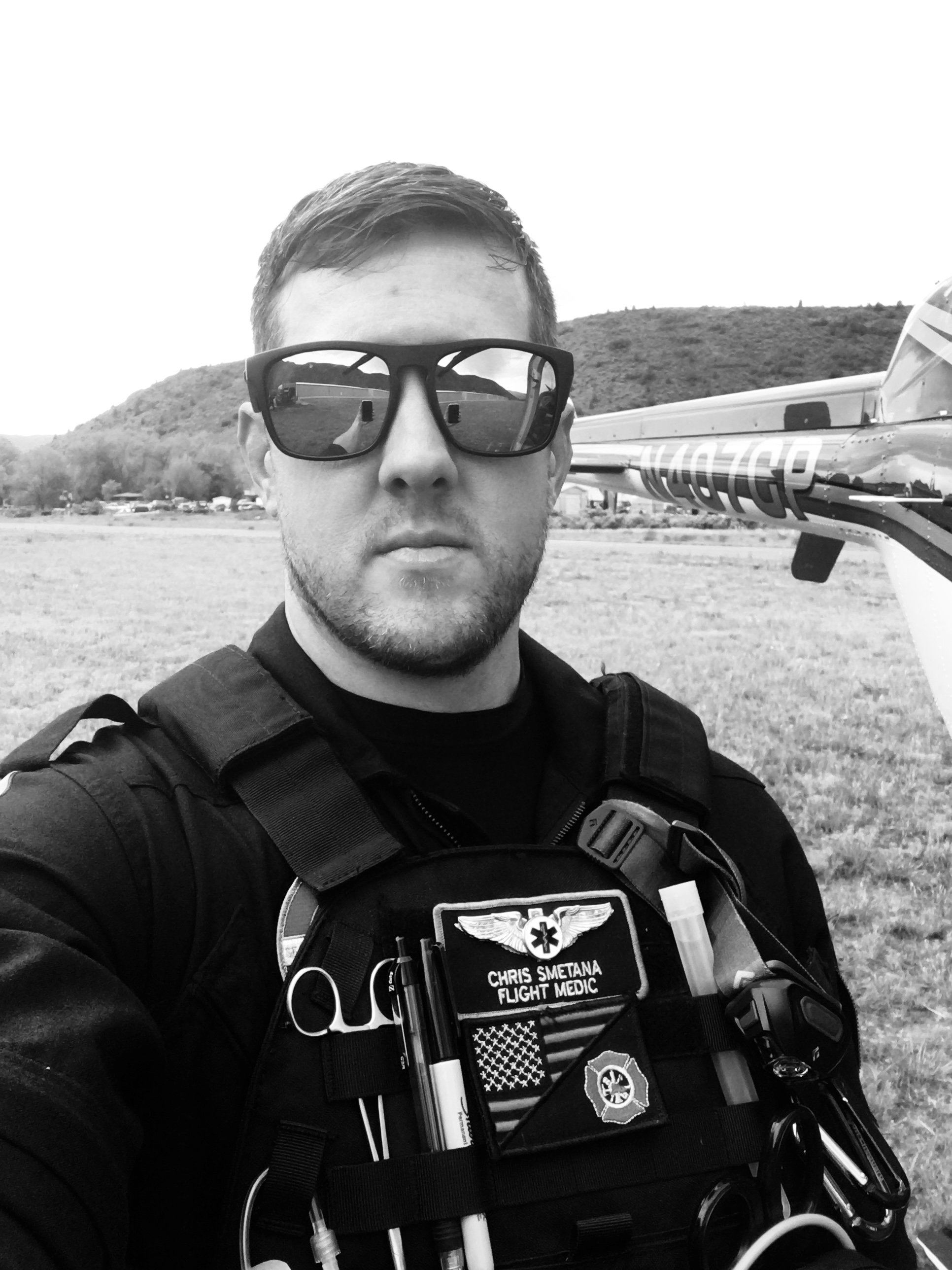 Chris Smetana, AS, FP-C, CCP-C, NRP | Founder/President
-Jan-17-2024-05-29-30-1462-PM.png)
-2.png?width=300&height=175&name=MTFL%20%20Blog%20Image%20(8)-2.png)
-Jan-17-2024-05-31-23-8542-PM.png)
 Chris Smetana, AS, FP-C, CCP-C, NRP | Founder/President : Oct 6, 2023
-2.png)
-3.png)